
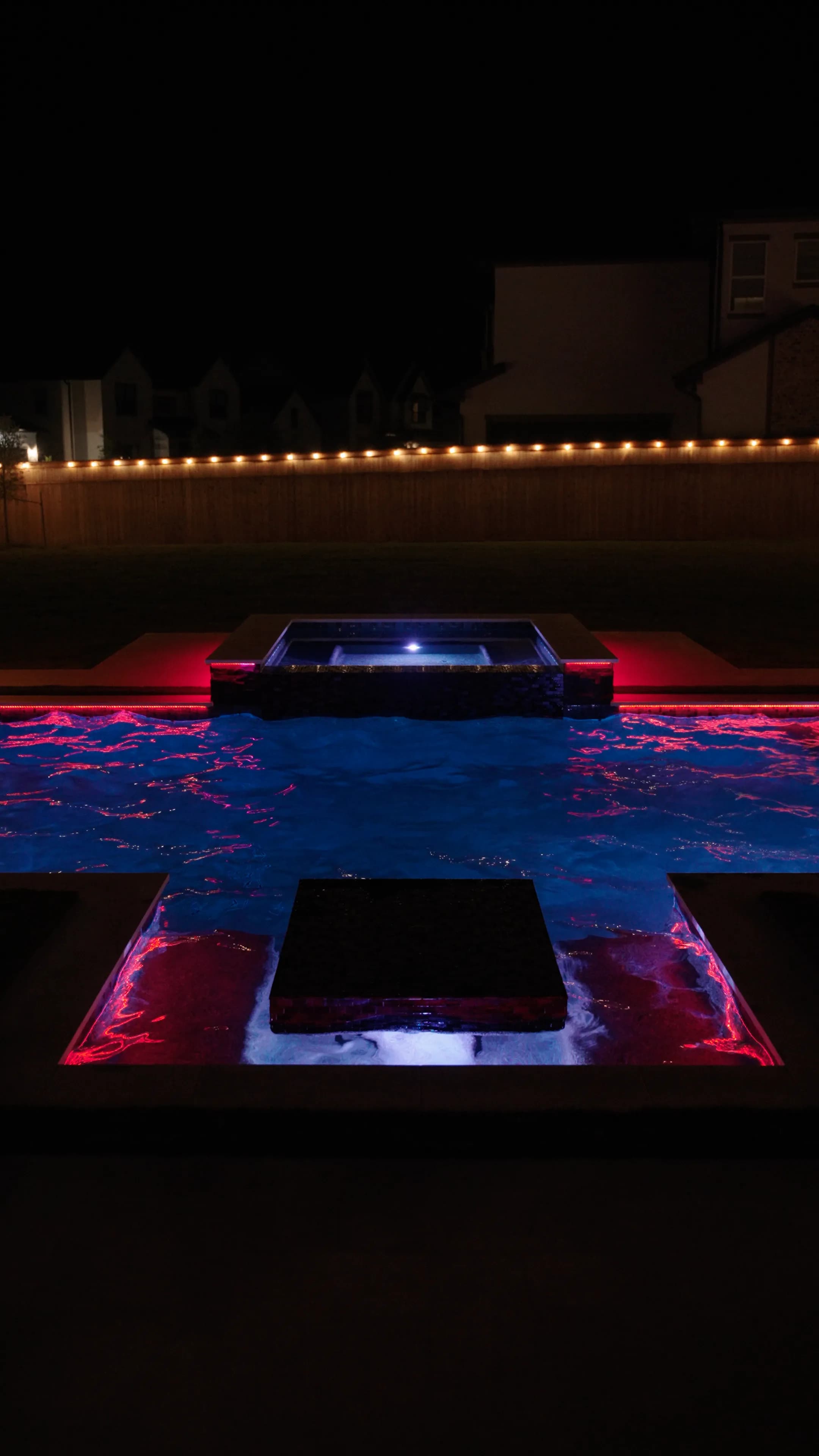
The boundary between indoors and outdoors is blurring. A well-designed outdoor living space should feel like a natural extension of your home's interior, sharing the same design language, materials, and flow.
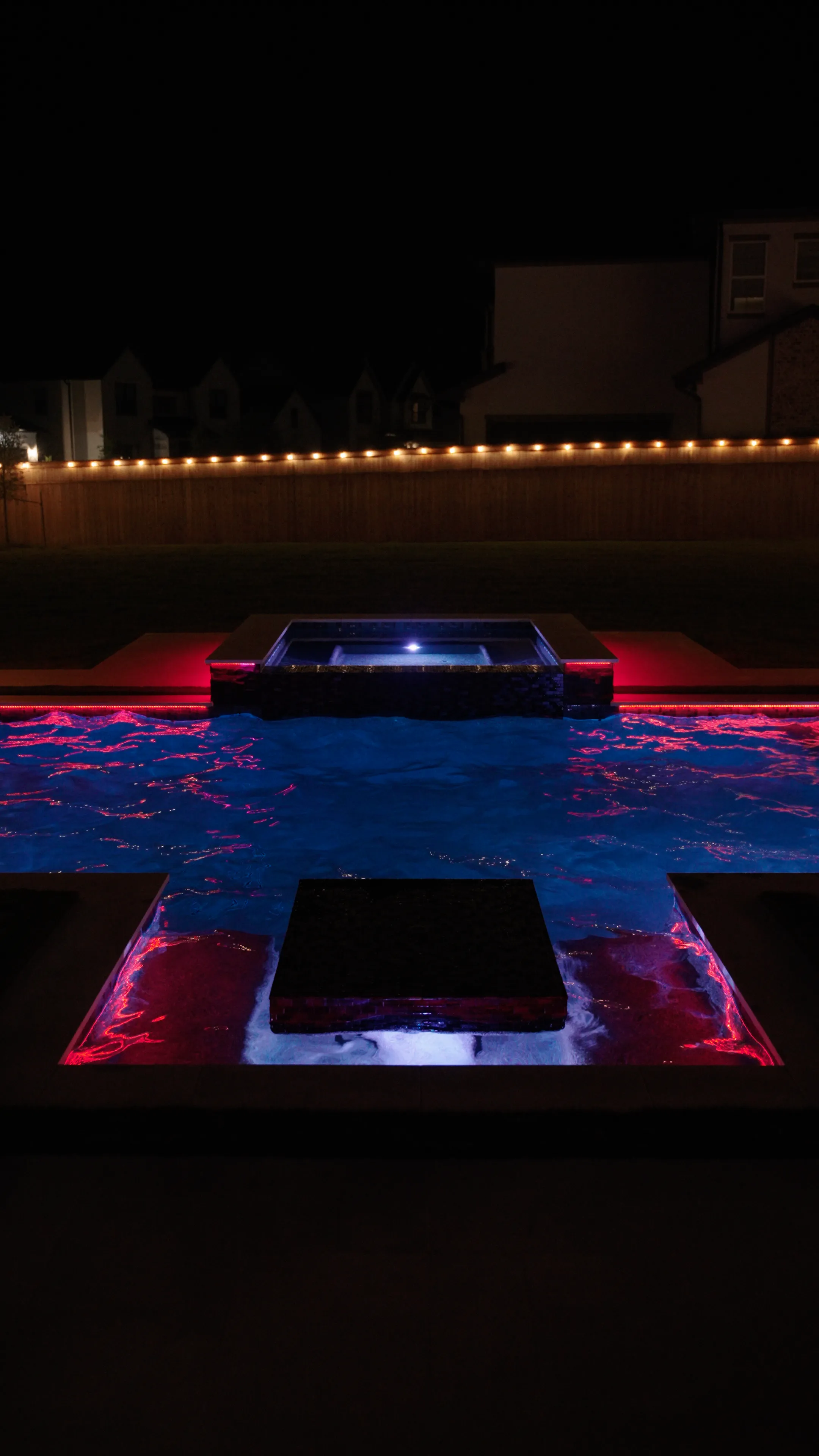
Material Continuity
One of the most effective ways to connect spaces is through flooring. Using the same (or visually similar) stone or tile from the living room out to the patio creates an uninterrupted visual line that makes both spaces feel larger.
Architectural Harmony
Your outdoor structure—whether a pergola, pavilion, or covered patio—should complement the home's architecture. Matching rooflines, column styles, and trim details ensures the addition looks original to the house, not tacked on.
Functional Zoning
Treat your backyard like a floor plan. Create distinct zones for cooking, dining, lounging, and swimming. Just like an open-concept living area, these zones should flow naturally into one another while maintaining their own purpose. Considering an outdoor kitchen is a great way to anchor your entertaining zone.